Ireland
An Emerging Study Destinations
Enquiry Form
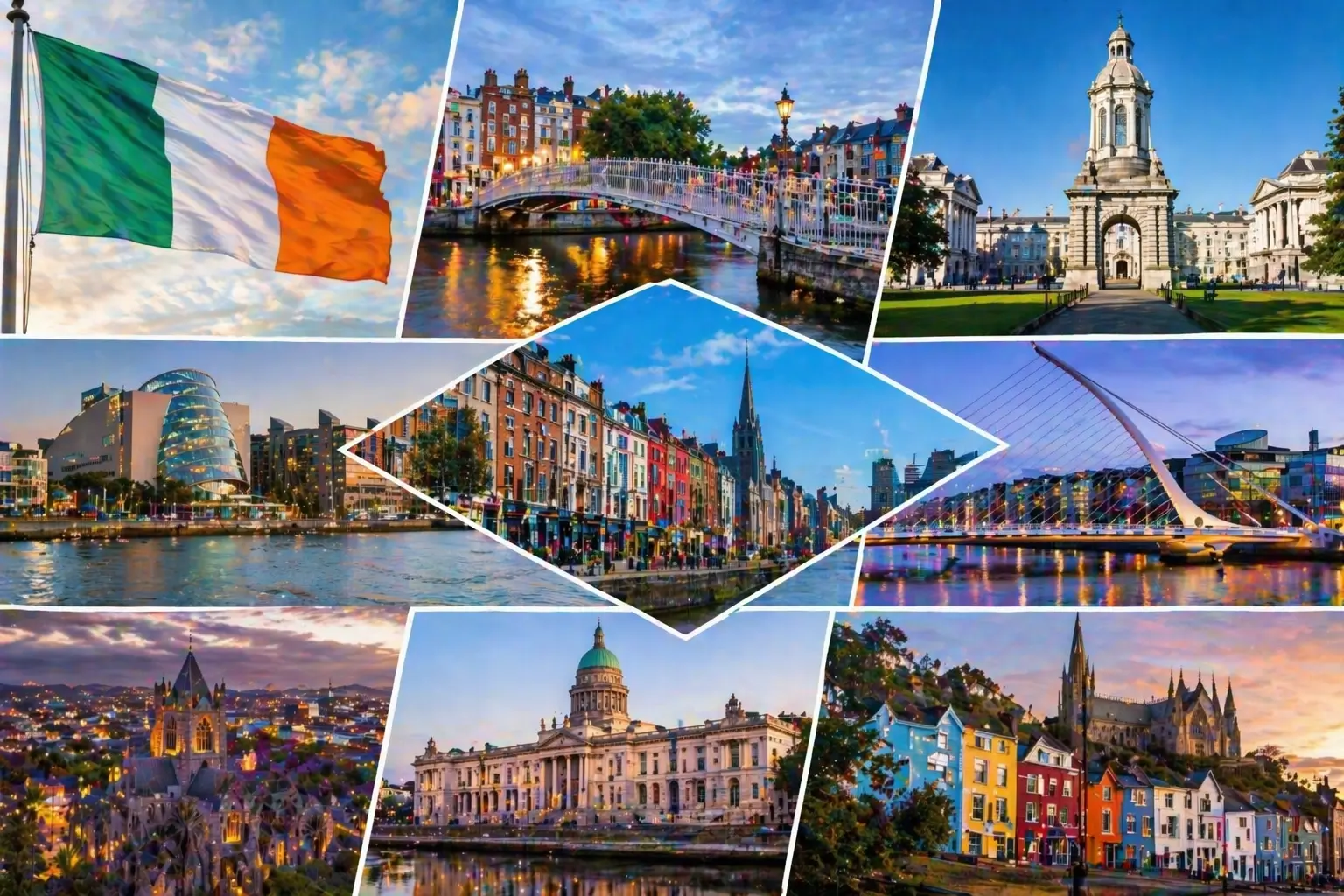
Why Study in Ireland
- 9 Out of World’s Top 10 IT Pharma Companies in Ireland
- 24 months stay back options at Post Graduate Level
- 5 Out of World’s Top 10 Innovative Companies have Irish Operations
- Ranked 2nd for Chemistry, Nanotechnology &Immunology
Globally Respected Irish Universities – Institutions like Trinity College Dublin and University College Dublin offer high-quality, internationally recognized education.
Leading Hub for Tech & Pharma – Ireland hosts major companies like Google, Apple, and Pfizer, creating strong career opportunities.
Post-Study Work Opportunities – Graduates can stay back and work in Ireland through structured post-study work options.
Work While Studying – Students can work part-time during academic sessions and full-time during holidays.
English-Speaking Country – All programs are taught in English, making it easier for international students to adapt.
Strong Industry-Academia Collaboration – Courses are designed with practical exposure, internships, and real-world projects.
High Employability in Key Sectors – Growing demand in IT, healthcare, finance, and engineering fields.
Safe & Student-Friendly Environment – Ireland is known for its welcoming culture and supportive student lifestyle.
Introduction
Ireland is an emerging study abroad destination known for its strong education system, innovation-driven economy, and global career opportunities. It is home to leading multinational companies, especially in IT, pharmaceuticals, and finance.
With a student-friendly environment, English-speaking culture, and excellent post-study work options, Ireland offers a perfect balance of education and career growth.
Popular Study Fields
| Field | Popular Programs |
|---|---|
| Information Technology | Software Development, Data Science, AI |
| Pharmaceuticals | Biotechnology, Pharma Sciences |
| Data Science | Analytics, Machine Learning |
| Finance | Accounting, Banking, Investment |
Popular Institutions in Ireland
| Location | Institution |
|---|---|
| Dublin | Trinity College Dublin |
| University College Dublin (UCD) | |
| Dublin City University (DCU) | |
| Technological University Dublin (TU Dublin) | |
| National College of Ireland | |
| Cork | University College Cork (UCC) |
| Munster Technological University (MTU) | |
| Galway | University of Galway |
| Atlantic Technological University (ATU) | |
| Limerick | University of Limerick |
| Technological University of the Shannon (TUS) | |
| Maynooth | Maynooth University |
| Waterford | South East Technological University (SETU) |
Popular Courses & Fields
| Field | Programs |
|---|---|
| IT | AI, Data Science, Cybersecurity |
| Pharma | Biotechnology, Drug Development |
| Finance | Accounting, Banking |
How to Apply
Step 1 — Free Counseling Book a session
Step 2 — IELTS Minimum 6.0+
Step 3 — Apply Submit documents
Step 4 — Offer Accept admission
Step 5 — Visa Apply visa
Visa Requirements
| Requirement | Details |
|---|---|
| Admission Letter | Irish University |
| IELTS | 6.0+ |
| Funds | €7,000+ |
| Insurance | Mandatory |
Conclusion
Ireland offers strong education, global career exposure, and a 2-year stay-back visa, making it an excellent choice for international students.
Cost of Studying in Ireland
The cost of studying in Ireland varies based on the university, course, and city. Ireland offers high-quality education with strong return on investment due to excellent job opportunities in IT, pharma, and finance sectors.
With scholarships and part-time work options, students can effectively manage their overall expenses.
Undergraduate Fees — Approximately
| Program | Annual Fee (EUR) | INR approx. |
|---|---|---|
| UG Programs | €10,000 – €20,000 | ₹9L – ₹18L |
Postgraduate Fees — Approximately
| Program | Annual Fee (EUR) | INR approx. |
|---|---|---|
| Master’s Programs | €12,000 – €25,000 | ₹11L – ₹22L |
MBA & PhD Fees — Approximately
| Program | Annual Fee (EUR) | INR approx. |
|---|---|---|
| MBA | €20,000 – €35,000 | ₹18L – ₹30L |
| PhD | Often Funded | ₹0 |
Additional Expenses — Approximately
| Expense | Estimated Cost |
|---|---|
| Application Fees | €50 – €100 |
| Health Insurance | €500 – €1,000/year |
| Books & Supplies | €300 – €600/year |
How to Save on Fees
- Apply for scholarships and grants
- Choose affordable universities
- Work part-time during studies
- Apply for assistantships
Conclusion
Ireland offers quality education with reasonable tuition fees and strong career opportunities, making it a valuable investment for international students.
Cost of Living in Ireland
The cost of living in Ireland varies depending on the city and lifestyle. Dublin is the most expensive city, while cities like Cork, Galway, and Limerick are more affordable for students.
With proper budgeting and part-time work opportunities, students can comfortably manage their living expenses in Ireland.
Monthly Living Expenses — Approximately
| Expense | EUR Per Month | INR approx. |
|---|---|---|
| Accommodation | €600 – €1,500 | ₹55,000 – ₹1.3L |
| Food & Groceries | €250 – €500 | ₹22,000 – ₹45,000 |
| Transportation | €80 – €150 | ₹7,000 – ₹13,000 |
| Utilities & Internet | €100 – €200 | ₹9,000 – ₹18,000 |
| Personal Expenses | €100 – €300 | ₹9,000 – ₹25,000 |
| Total Estimate | €1,100 – €2,500 | ₹95,000 – ₹2L |
City-Wise Cost of Living — Approximately
| City | Monthly Cost (EUR) |
|---|---|
| Dublin | €1,500 – €2,500 |
| Cork | €1,200 – €1,800 |
| Galway | €1,100 – €1,700 |
| Limerick | €1,000 – €1,500 |
Accommodation Options — Approximately
| Type | Monthly Cost (EUR) |
|---|---|
| On-Campus Accommodation | €600 – €1,200 |
| Private Apartment | €1,000 – €2,000 |
| Shared Accommodation | €400 – €900 |
Food & Transport Costs — Approximately
| Item | Monthly Cost (EUR) |
|---|---|
| Groceries | €200 – €400 |
| Eating Out | €100 – €250 |
| Transport Pass | €60 – €120 |
Tips to Save Money
- Choose shared accommodation
- Cook your own meals
- Use student discounts
- Use public transportation
- Work part-time (20 hrs/week)
Conclusion
Although living costs in Ireland can be higher in major cities, students can manage expenses effectively with proper planning and part-time work opportunities.
Jobs in Ireland
Ireland offers excellent job opportunities for international students, especially in IT, pharmaceuticals, finance, and business sectors. Students can work part-time while studying and gain valuable industry experience.
With strong global companies based in Ireland, students have high chances of securing jobs after graduation.
Part-Time Work Rules
| Rule | Details |
|---|---|
| During Studies | 20 hours per week |
| During Holidays | 40 hours per week |
| Work Permit | Not required for students |
| Internships | Allowed as part of course |
Average Wages in Ireland
| Job Type | Hourly Rate (EUR) | INR approx. |
|---|---|---|
| Retail & Customer Service | €10 – €14 | ₹900 – ₹1,200 |
| Hospitality | €10 – €15 | ₹900 – ₹1,300 |
| Campus Jobs | €12 – €18 | ₹1,000 – ₹1,500 |
| IT Support | €15 – €25 | ₹1,300 – ₹2,200 |
| Internships | €12 – €25 | ₹1,000 – ₹2,200 |
Popular Jobs for Students
- Retail Assistant
- Restaurant & Cafe Staff
- Customer Service Executive
- Library Assistant
- IT Support
- Delivery Jobs
- Administrative Assistant
Internships
| Feature | Details |
|---|---|
| Availability | During studies |
| Type | Paid & Unpaid |
| Industries | IT, Pharma, Finance |
| Benefits | Experience & Career Growth |
Tax & Income Tips
- Apply for PPS number before working
- Follow legal work hour limits
- File tax returns annually
- Maintain salary records
- Use student tax benefits if applicable
Conclusion
Ireland provides strong part-time job opportunities along with excellent career prospects after graduation, making it a great destination for international students.
Post Study Work Visa Ireland
Ireland offers a post-study work visa under the Third Level Graduate Programme, allowing international students to stay back and work after completing their studies.
This provides excellent opportunities to gain work experience and build a career in Ireland.
What is Stay Back Visa
The Stay Back Visa (Third Level Graduate Programme) allows international graduates to remain in Ireland after completing their studies to search for employment or start working.
| Detail | Information |
|---|---|
| Program Name | Third Level Graduate Programme |
| Eligibility | International students from Irish institutions |
| Purpose | Work & job search after graduation |
| Work Type | Full-time work allowed |
Duration by Program
| Program | Stay Back Duration |
|---|---|
| Bachelor’s Degree | 12 Months |
| Master’s Degree | 24 Months |
Eligibility Criteria
- Must complete a recognized degree in Ireland
- Must hold a valid student visa
- Must apply within the allowed time after graduation
- Must not exceed previous stay-back duration
- Must comply with immigration rules
Career Pathways
| Pathway | Details |
|---|---|
| Full-Time Employment | Secure job in Ireland |
| Work Permit | Apply for Critical Skills Work Permit |
| Long-Term Residency | Apply after eligible work period |
| Further Studies | Continue higher education |
How to Apply
| Step | Action |
|---|---|
| Step 1 | Complete your course |
| Step 2 | Apply for stay-back visa |
| Step 3 | Receive approval |
| Step 4 | Start job search |
Conclusion
Ireland’s post-study work visa offers excellent opportunities for students to gain international work experience and build long-term careers.